
Today’s world is exceptionally dynamic, and the effects of climate change are becoming increasingly pronounced. Extreme events are on the rise, disrupting everyday life as well as business operations. Companies that overlook these risks are, in fact, planning based on incomplete information. Addressing climate threats is therefore a rational and strategic step.

In order for a company to correctly determine what threatens it, it conducts a climate risk analysis. This analysis distinguishes between two main categories:
These are the direct impacts of climate change on specific locations and assets.
They are divided into:
For example, Ørsted reports that extreme weather is increasingly affecting the performance and maintenance of their offshore wind farms. (Source)
They stem from economic, technological, and legislative changes that respond to the climate transition. These include, for example, new regulations, carbon fees, shifts in customer behavior, or investment flows. Sometimes they can even represent opportunities—for instance, Volkswagen emphasizes that the shift to electromobility is key to its future competitiveness. (Source)
.webp)
The ESRS E1 standard requires not only a description of physical and transition risks, but also their assessment, scenario analysis, and the impacts on strategy and the business model.
Risk analysis is therefore not just an obligation, but a tool that helps identify weak spots and plan steps to increase the company’s resilience.
The scope of the assessment depends on the type of business, the structure of assets, and the level of exposure to risks.
The process usually includes:
Large or highly exposed companies often also use quantitative models and advanced analytical methods.
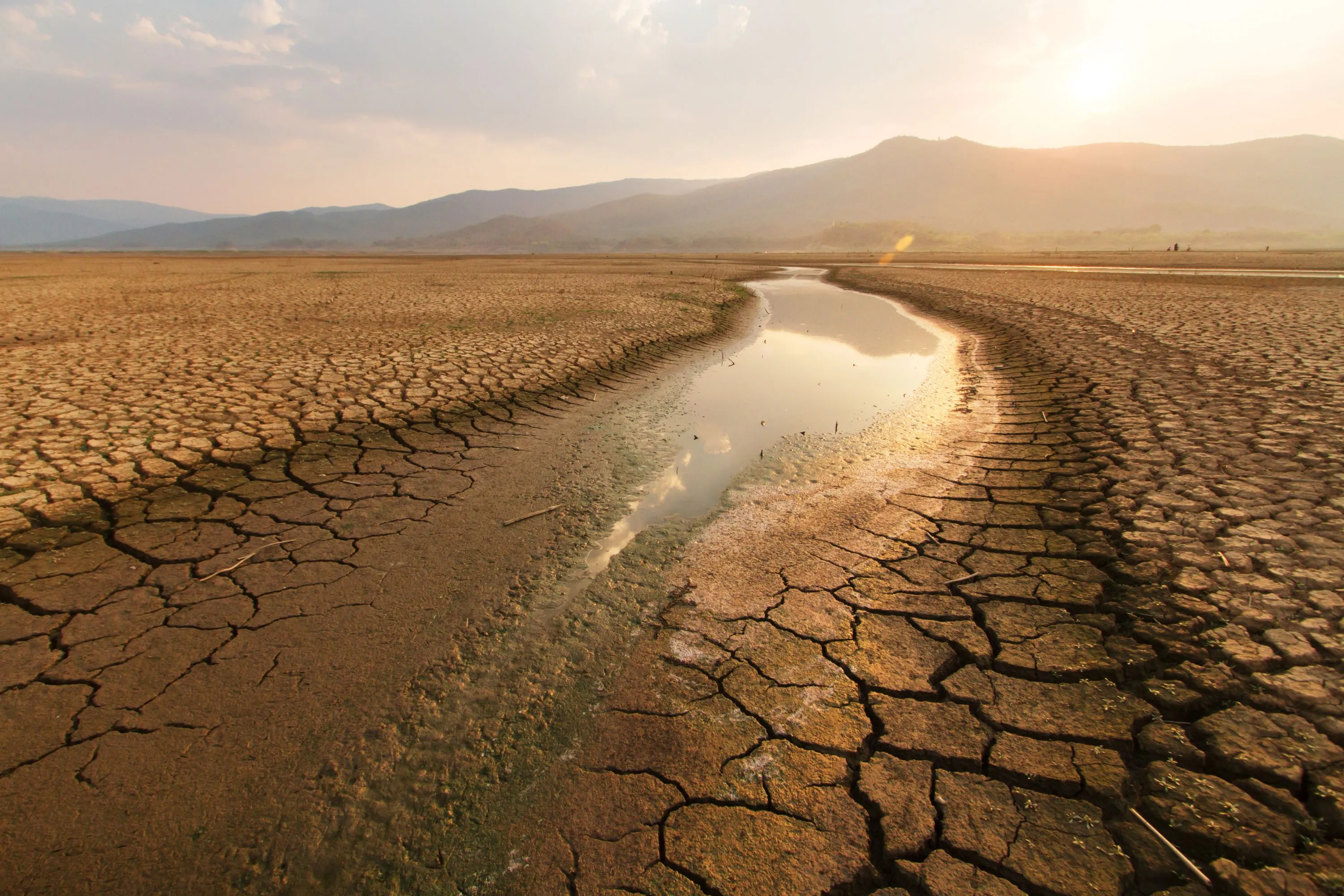
Climate risks today affect everything—from operations and supply chains to reputation and access to capital. Investors, insurers, and customers evaluate companies based on how well they can respond to climate change.
Systematic work with climate risks therefore enables companies to:
A well-executed climate risk analysis is becoming an essential part of modern corporate management. It is crucial not only for operational resilience, but also for reputation, access to capital, and relationships with investors and insurers.
We covered the topic of climate risks in detail in an article for the Ekonews platform.
We offer a professionally prepared Climate Risk Analysis in accordance with CSRD/ESRS, giving you a clear overview of how both physical and transition risks may affect your operations, supply chain, and long-term competitiveness. You will gain a clear understanding of the major threats, impact scenario models, and specific recommendations on how to reduce risks and prepare your company for future challenges. The service includes an initial consultation, data collection, analysis, and a final report.
We offer comprehensive services in ESG, energy, and PR & communications to strengthen your sustainability, efficiency, and brand reputation.
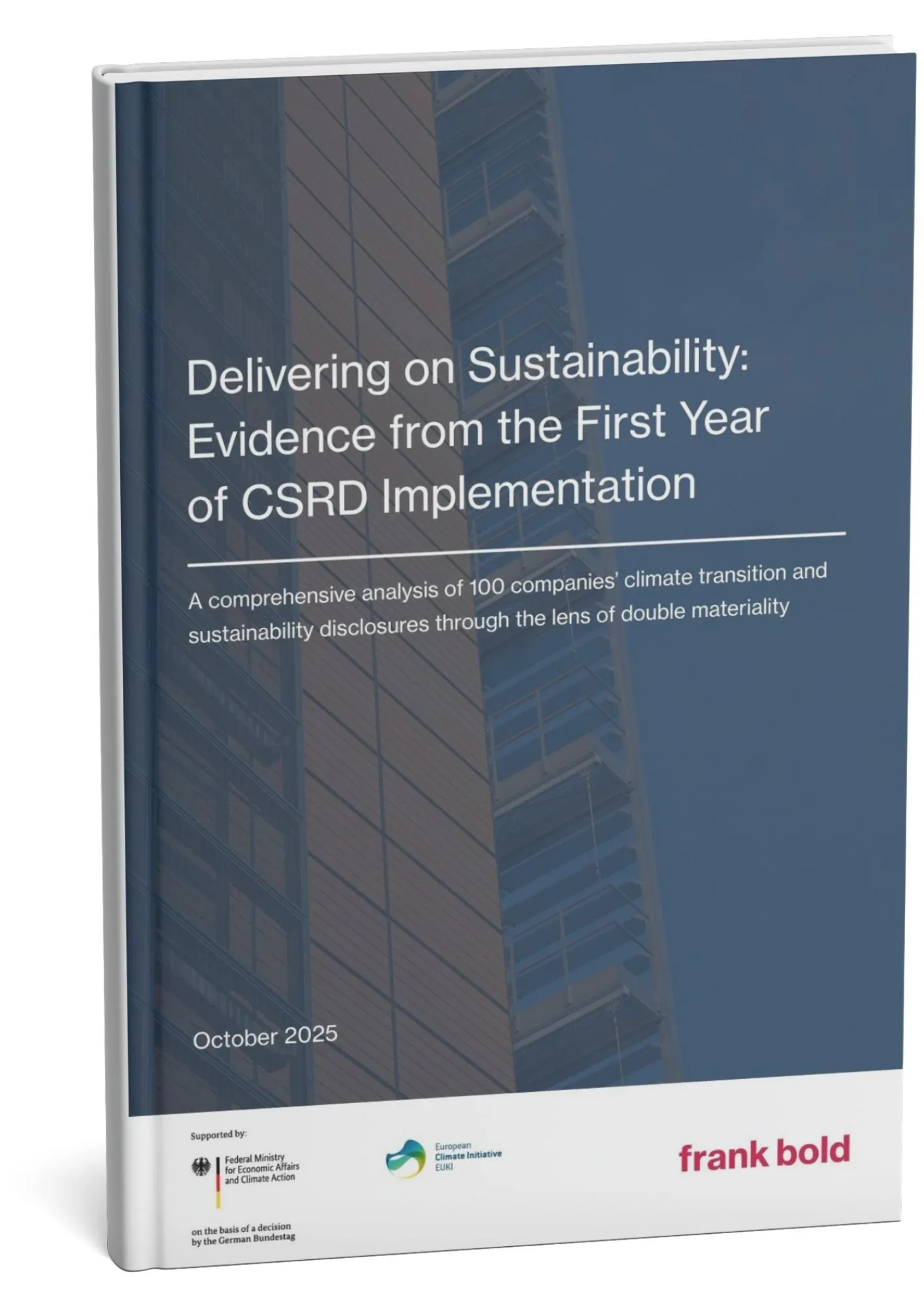
Discover how European companies are managing ESG reporting. The new study by Frank Bold’s Responsible Companies team summarizes the first wave of sustainability reports from one hundred major European companies and shows that reporting under the CSRD provides valuable data for decision-making and is becoming an effective tool for risk management. Publication is part of the European Climate Initiative (EUKI) of the German Federal Ministry for Economic Affairs and Climate Action (BMWK).

Comprehensive Sustainability Report aligned with CSRD.
.webp)
A simplified ESG report for your business partners.

Mapped according to GHG Protocol Product Standard.
We are part of the Frank Bold Expert Group
Copyright ©
Aktuální rok script
Frank Bold